



Advanced Guide to Working With an ADU Builder Contractor
Understanding the Growing Demand for ADUs
Over the past decade, the housing landscape has changed dramatically. Urban populations continue to grow, while available residential land remains limited. As a result, homeowners are increasingly looking for creative ways to expand living space without purchasing additional property.
One of the most effective solutions has been the construction of Accessory Dwelling Units (ADUs). These smaller homes can be built on existing residential lots and serve a wide range of purposes—from rental housing to family accommodations.
In regions such as California, legislation has encouraged the development of ADUs to address housing shortages. This has created strong demand for experienced ADU contractors who understand the technical, legal, and construction challenges associated with these projects.
Cities like Los Angeles and Burbank have become hotspots for ADU construction because homeowners recognize the long-term value these structures provide.
Planning an ADU Project
Before construction begins, careful planning is essential. ADU contractors help homeowners develop a strategy that considers property conditions, local regulations, and long-term goals.
Evaluating Property Potential
The first step in planning an ADU project is determining whether the property is suitable for development. Contractors analyze several key factors:
Available lot sizeDistance from property boundariesAccess to water, electricity, and sewer linesExisting
structures on the propertyLocal zoning regulations
This evaluation helps determine which type of ADU will work best.
Determining the Best ADU Type
Every property is different, and choosing the right type of ADU is critical to maximizing space and investment value.
Common options include:
Detached Backyard ADU
A completely independent residential structure located away from the main house.
Attached ADU Addition
An extension connected to the primary residence.
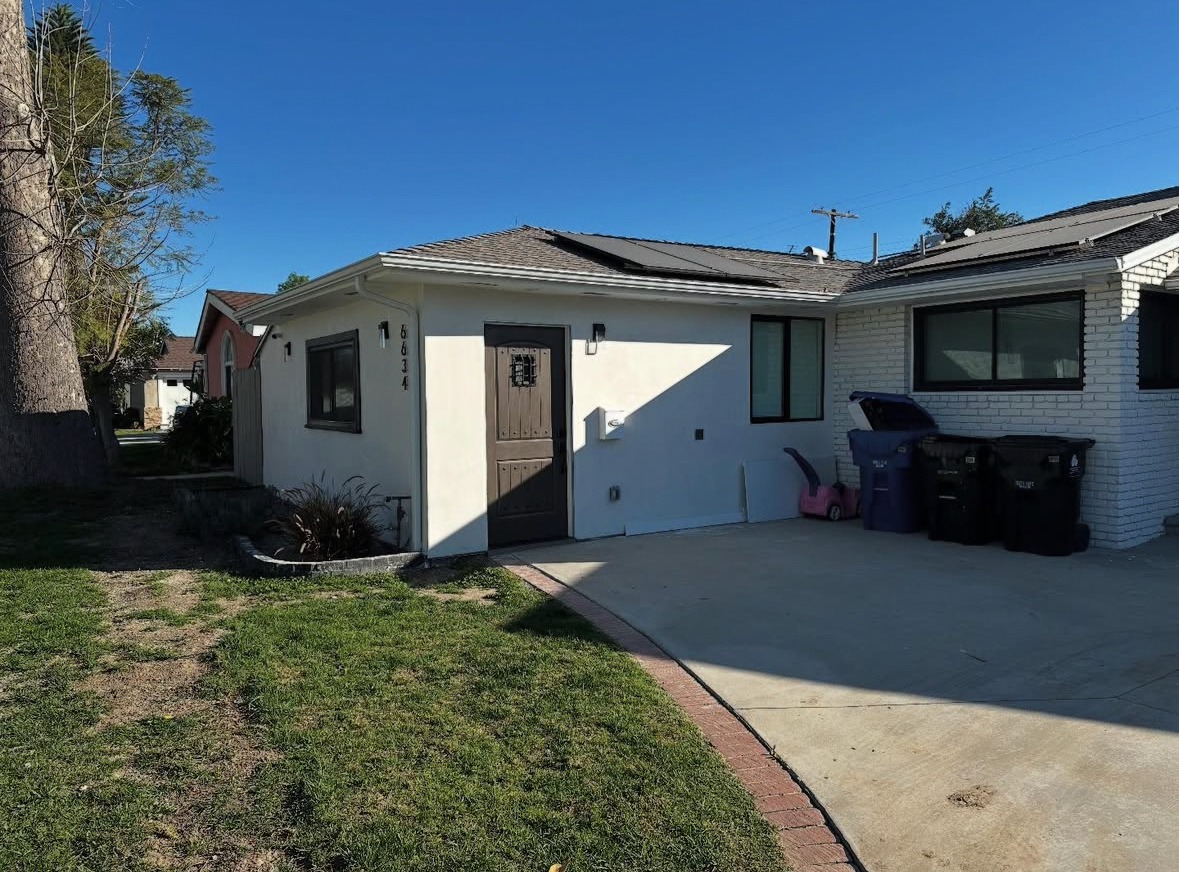
Garage Conversion ADU
Transforming an existing garage into a fully functional living space.
Interior Conversion
Repurposing unused areas such as basements or large storage rooms.
An experienced ADU contractor helps homeowners select the option that provides the greatest benefit while staying within local regulations.
Designing a Functional ADU
Design is one of the most important elements of an ADU project. Because these homes are smaller than traditional houses, thoughtful planning is required to maximize comfort and efficiency.
Smart Layout Planning
Effective layouts often include:
Open-concept living areas
Multi-purpose furniture spaces
Built-in storage solutions
Compact kitchen designs
Efficient bathroom layouts
These features help make smaller spaces feel larger and more functional.
Natural Lighting and Ventilation
Natural light plays a significant role in the comfort of an ADU. Contractors often recommend design features such as:
Large windowsSliding glass doorsSkylightsOpen floor plans
These elements improve airflow and make interiors feel more spacious.
Energy Efficiency
Modern ADUs are often built with sustainability in mind. Energy-efficient construction reduces long-term operating costs while improving environmental performance.
Common efficiency features include:
High-performance insulationEnergy-efficient windowsLED lighting systemsSolar energy optionsSmart thermostats
These features can significantly reduce monthly utility expenses.
Construction Materials Used in ADU Projects
ADU contractors typically use a variety of construction materials depending on design preferences and budget.
Structural Materials
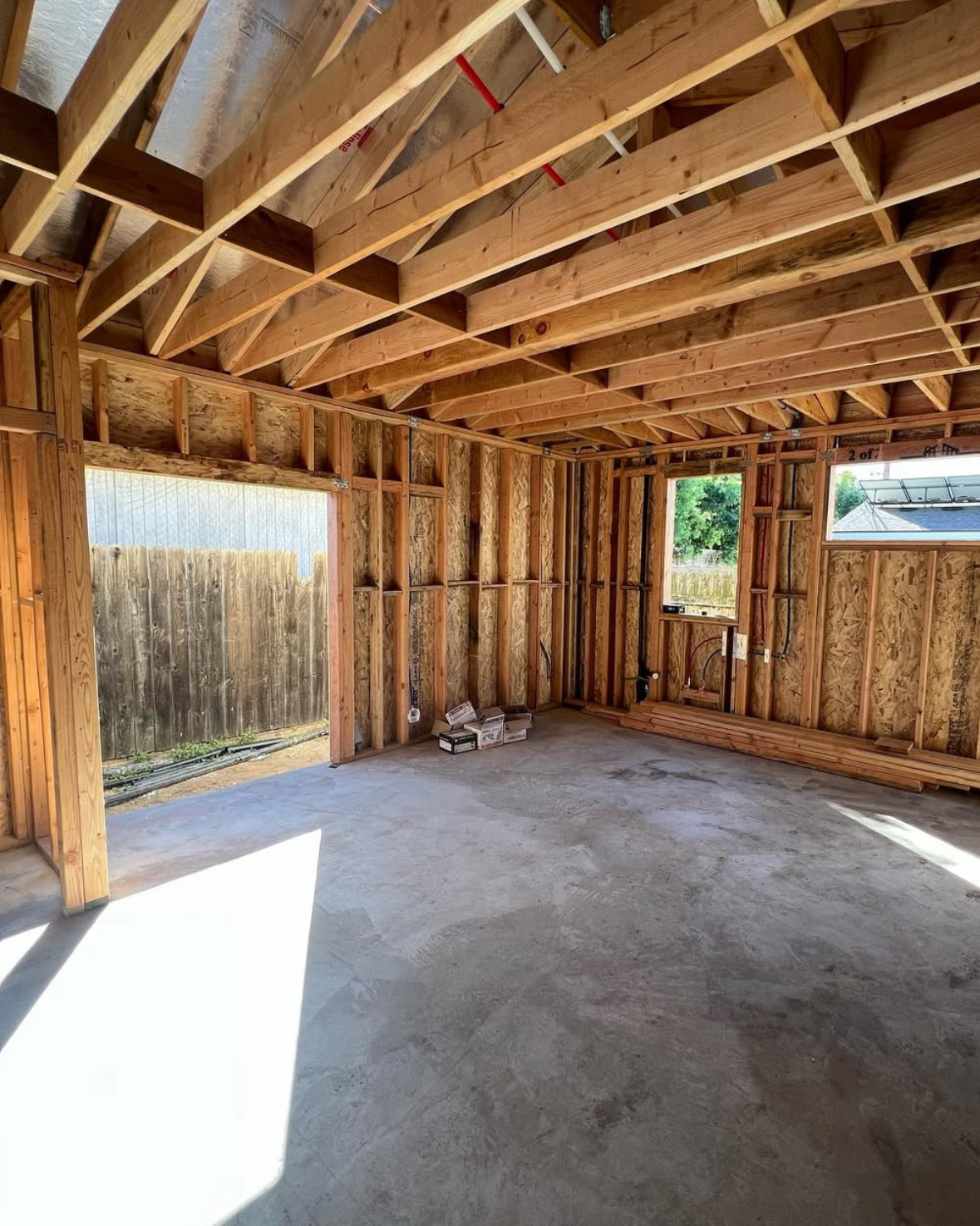
The structural frame of an ADU is usually constructed from:
Wood framingSteel reinforcementConcrete foundations
Each material provides strength and stability for the structure.
Exterior Finishes
Exterior finishes influence both durability and appearance.
Common materials include:
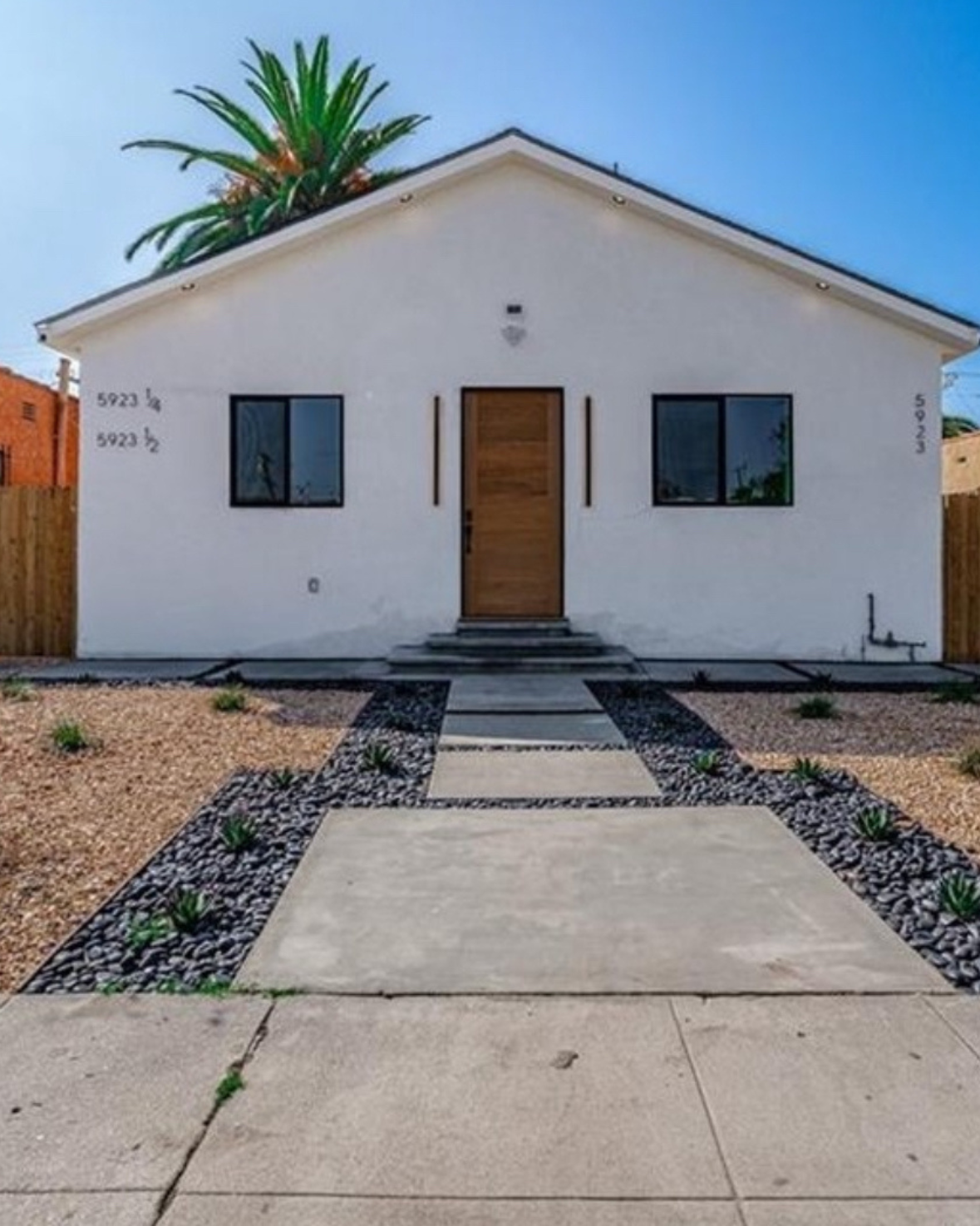
StuccoFiber cement sidingWood panelsBrick or stone accents
These materials are selected to complement the design of the primary home.
Interior Finishes
Inside the ADU, contractors install features that balance durability with visual appeal.
Typical interior finishes include:
Hardwood or laminate flooringTile bathroomsQuartz or granite countertopsCustom cabinetry
These features help create a comfortable and attractive living environment.
Utilities and Infrastructure
One of the more technical aspects of ADU construction involves connecting utilities.
Electrical Systems
ADUs require complete electrical systems for lighting, appliances, heating, and cooling. Contractors coordinate with licensed electricians to install wiring and panels that meet building codes.
Plumbing Systems
Plumbing installations include:
Water supply linesDrainage systemsWater heatersKitchen and bathroom fixtures
Proper installation ensures reliable water access and waste removal.
Heating and Cooling
Maintaining comfortable indoor temperatures is essential. Contractors may install systems such as:
Mini-split heating and cooling unitsCentral HVAC systemsRadiant floor heating
These systems are designed to operate efficiently within smaller spaces.
Timeline Breakdown for ADU Construction
Although every project is unique, most ADU projects follow a similar timeline.
Phase 1: Planning and Design
Duration: 4–12 weeks
Activities include architectural planning, property evaluation, and cost estimation.
Phase 2: Permitting
Duration: 6–16 weeks
Contractors submit plans to the local building department for approval.
Phase 3: Site Preparation
Duration: 1–2 weeks
Construction teams prepare the property and install foundations.
Phase 4: Structural Construction
Duration: 6–10 weeks
Framing, roofing, and exterior walls are built.
Phase 5: Interior Construction
Duration: 4–8 weeks
Electrical, plumbing, insulation, and interior finishes are installed.
Phase 6: Final Inspections
Duration: 1–2 weeks
Local inspectors review the completed ADU before occupancy approval.
Long-Term Value of ADUs
Homeowners often view ADU construction as a long-term investment rather than a short-term expense.
Property Value Growth
Properties with legal ADUs often attract higher market interest. Buyers recognize the potential for rental income or flexible living arrangements.
Rental Income Opportunities
Many homeowners choose to rent their ADUs to tenants. Rental income can help cover mortgage payments or property expenses.
In high-demand housing markets such as Los Angeles, ADUs can generate consistent monthly revenue.
Multi-Generational Housing
ADUs allow families to live close together while maintaining privacy. This arrangement is especially useful for:
Elderly parents
Adult children
Visiting relatives
Financing Options for ADU Projects
Financing is an important part of the planning process.
Homeowners may consider several funding options.
Home Equity Loans
Borrowing against the equity in an existing home.
Cash-Out Refinancing
Refinancing a mortgage and using the extra funds for construction.
Construction Loans
Short-term loans specifically designed for building projects.
Savings or Investment Funds
Some homeowners choose to finance ADU construction using personal savings.
Contractors often help clients understand financing choices and estimate project costs accurately.
Working With an ADU Contractor: What to Expect
Successful ADU construction depends on strong communication between homeowners and contractors.
Initial Consultation
During the first meeting, contractors discuss project goals, design preferences, and budget expectations.
Project Proposal
Contractors typically provide a detailed proposal outlining:
- Estimated costs
- Construction timeline
- Materials and design plans
- Permit requirements
Ongoing Communication
Throughout construction, regular updates ensure homeowners understand project progress and upcoming steps.
Frequently Asked Questions About ADU Contractors
What does an ADU contractor do?
An ADU contractor manages the planning, design coordination, permit process, and construction of accessory dwelling units.
How large can an ADU be?
Maximum size varies by city regulations. Many ADUs range from 400 to 1,200 square feet, depending on property size and zoning rules.
Can an ADU have a full kitchen?
Yes. ADUs typically include complete kitchens, bathrooms, and living areas, making them fully functional residences.
Do ADUs increase property taxes?
Adding an ADU may increase property value, which can affect property taxes. However, tax changes depend on local regulations.
Is building an ADU a good investment?
For many homeowners, ADUs provide long-term financial benefits through rental income and property value appreciation.
The Future of ADU Construction
As housing needs evolve, ADUs are expected to play an even larger role in residential development.
Government policies supporting small residential units, combined with rising housing costs, make ADUs an attractive solution for both homeowners and communities.
In cities throughout California, ADU construction continues to expand as more homeowners recognize the advantages of adding flexible living spaces to their properties.
Start Your ADU Project Today
Building an accessory dwelling unit requires careful planning, expert design, and professional construction management. A skilled ADU contractor can guide homeowners through every stage of the process—from evaluating the property and creating architectural plans to completing construction and final inspections.
Whether the goal is to create rental income, expand living space, or accommodate family members, an ADU can become one of the most valuable additions to a property.
By working with experienced professionals and following a structured construction process, homeowners can transform unused space into a modern, functional residence that provides benefits for years to come.