



ADU Builder Los Angeles – Custom Accessory Dwelling Unit Construction
Accessory Dwelling Units (ADUs) have become one of the most popular ways for homeowners in Los Angeles to expand their living space while increasing the value of their property. With housing demand continuing to grow throughout the city, many property owners are choosing to build ADUs as a flexible housing solution that can serve multiple purposes. A professional ADU builder in Los Angeles can help transform unused space into a fully functional secondary home that is comfortable, modern, and designed to meet local building requirements.
An ADU is a small residential unit built on the same lot as a primary home. These units typically include a kitchen, bathroom, bedroom area, and living space. ADUs are designed to function as independent living areas while still being part of the main property.
Working with an experienced ADU builder ensures that every stage of the project is carefully managed. From architectural planning and permits to construction and finishing, professional builders guide homeowners through the entire process.
ADU construction allows homeowners to maximize the potential of their property while providing new opportunities for additional living space or rental income.
The Growing Demand for ADUs in Los Angeles
Los Angeles has experienced significant population growth and housing demand in recent years. As housing prices continue to rise, homeowners are looking for creative ways to add additional living units to their properties.
ADUs provide a practical solution by allowing property owners to build secondary homes without purchasing new land. This makes them an attractive option for homeowners who want to expand their property’s functionality.
Many homeowners build ADUs for family members who want to live nearby while maintaining independence. Others choose to rent their ADUs to tenants, creating an additional income stream.
The increasing popularity of ADUs has also led to updated local regulations that make it easier for homeowners to build accessory dwelling units.
Types of ADUs
There are several types of accessory dwelling units that homeowners can build depending on their property layout and personal goals.
Detached ADU
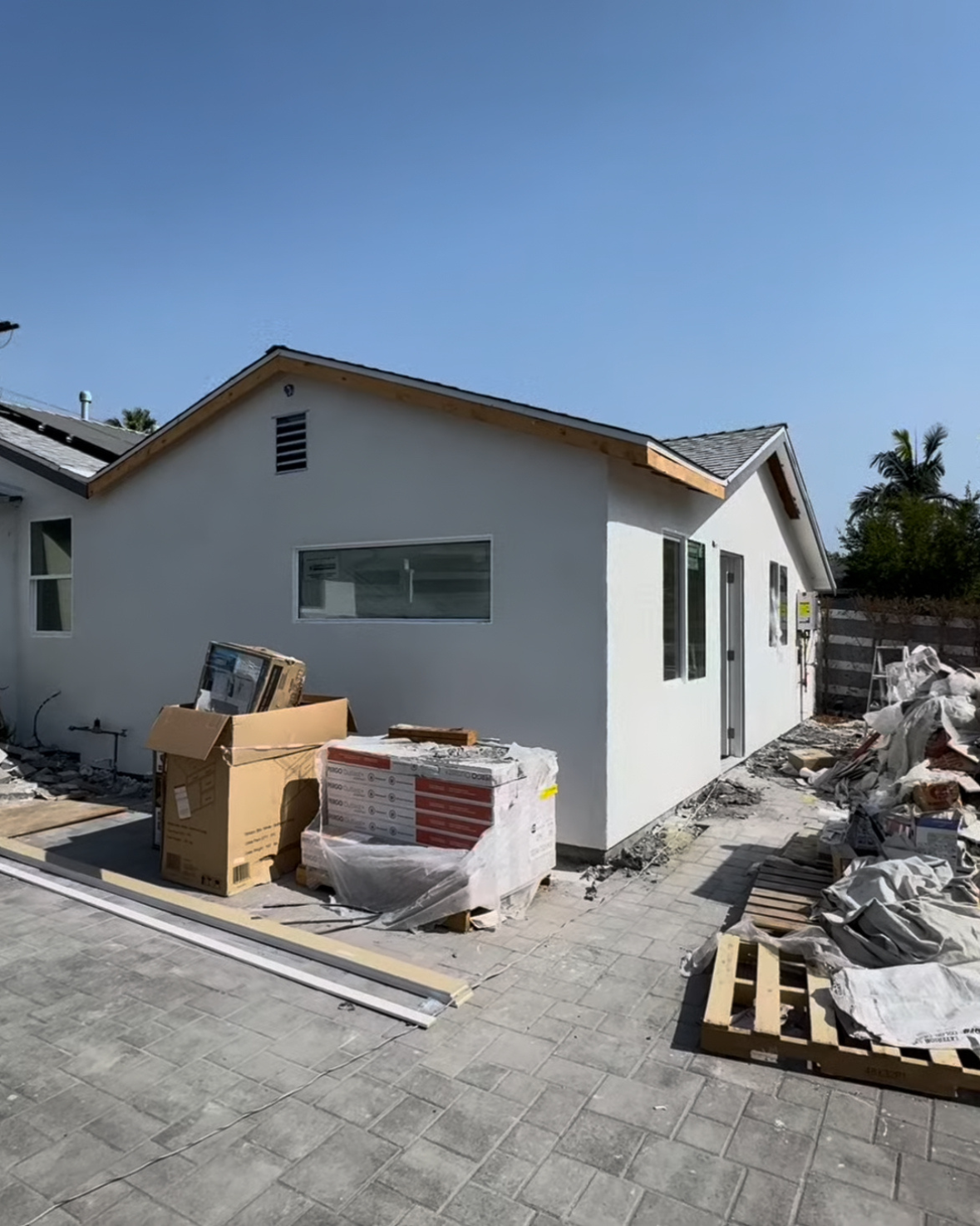
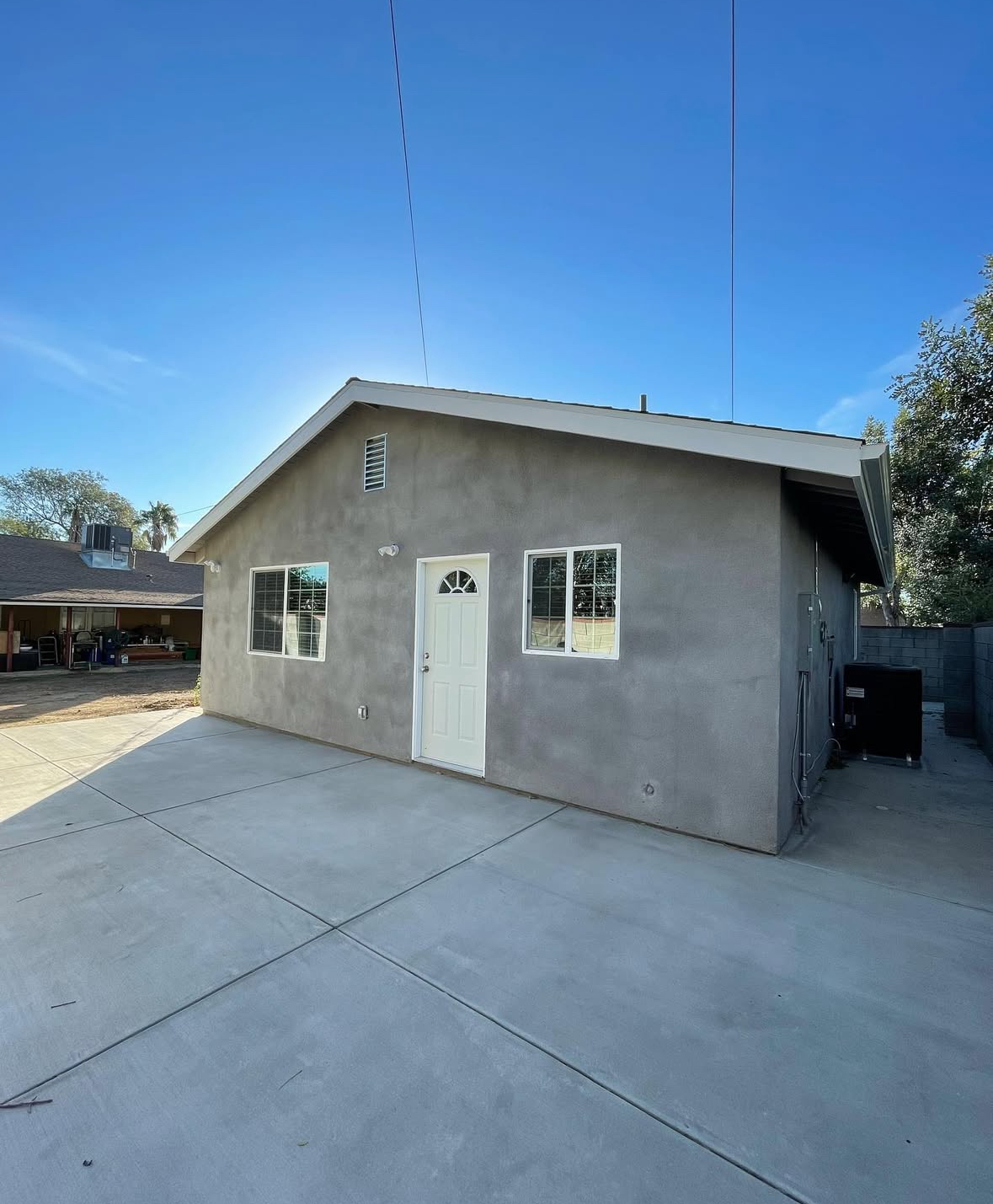
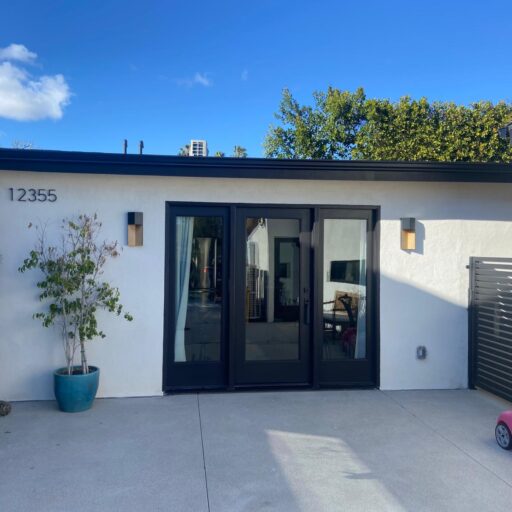
A detached ADU is a separate structure built on the property, usually in the backyard. These units offer the most privacy because they are independent from the main house.
Detached ADUs are commonly used as guest houses, rental apartments, or private living spaces for family members.
Attached ADU
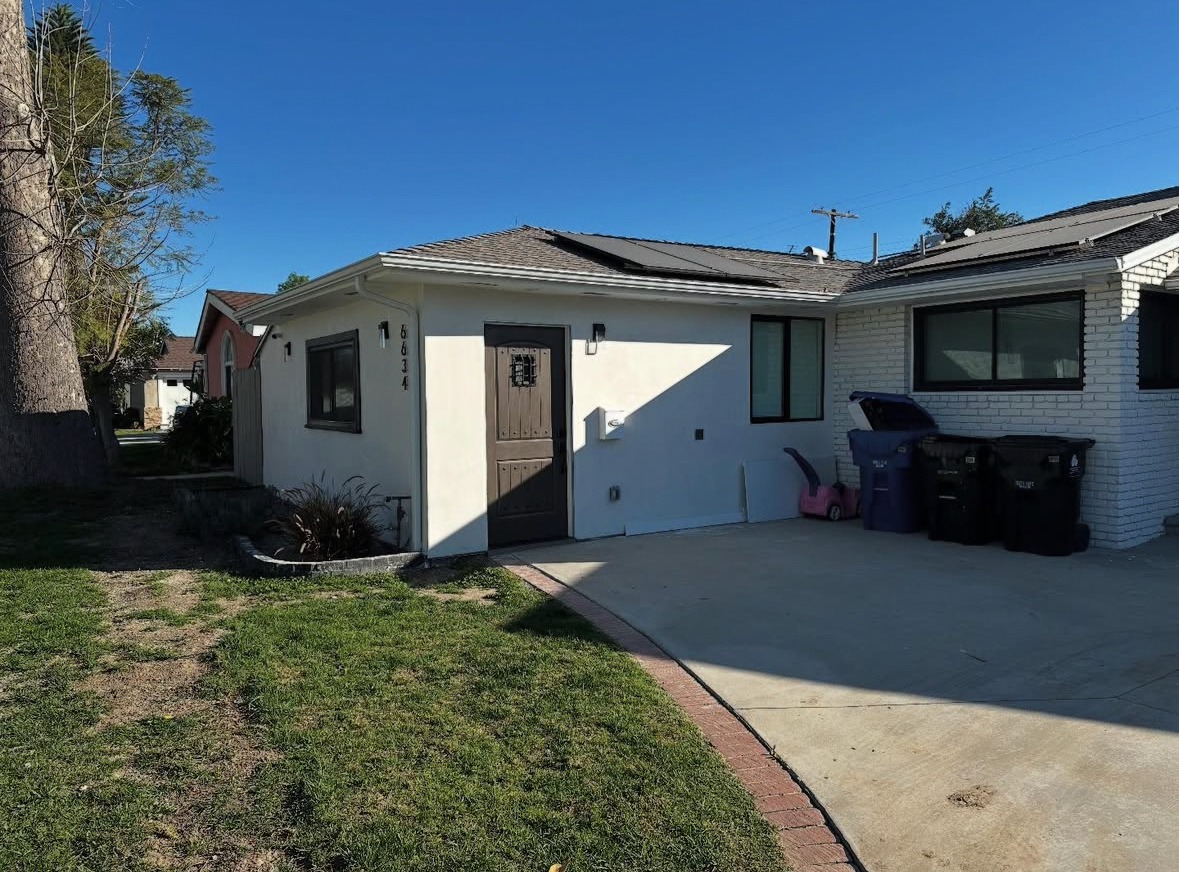
An attached ADU is connected to the primary home but has its own entrance and living space. These units share at least one wall with the main house but function as separate residential units.
Attached ADUs can be a good option for homeowners who want to expand their home while maintaining a unified property design.
Interior ADU
Interior ADUs are created by converting existing space inside the main home. This may involve transforming a basement, spare room, or unused area into a separate apartment-style unit.
Interior ADUs are often more affordable because they utilize existing structures.
Junior ADU
Junior ADUs are smaller units typically created within the footprint of the primary residence. They may include a kitchenette rather than a full kitchen.
Junior ADUs are designed to provide compact living spaces while meeting local housing regulations.
Custom ADU Design
Designing an ADU requires careful planning to ensure the unit is both functional and visually appealing. Professional ADU builders work closely with homeowners to develop designs that maximize available space while meeting building codes.
Efficient layouts are especially important for ADUs because these units are typically smaller than traditional homes. Open floor plans, natural lighting, and smart storage solutions help create comfortable living environments.
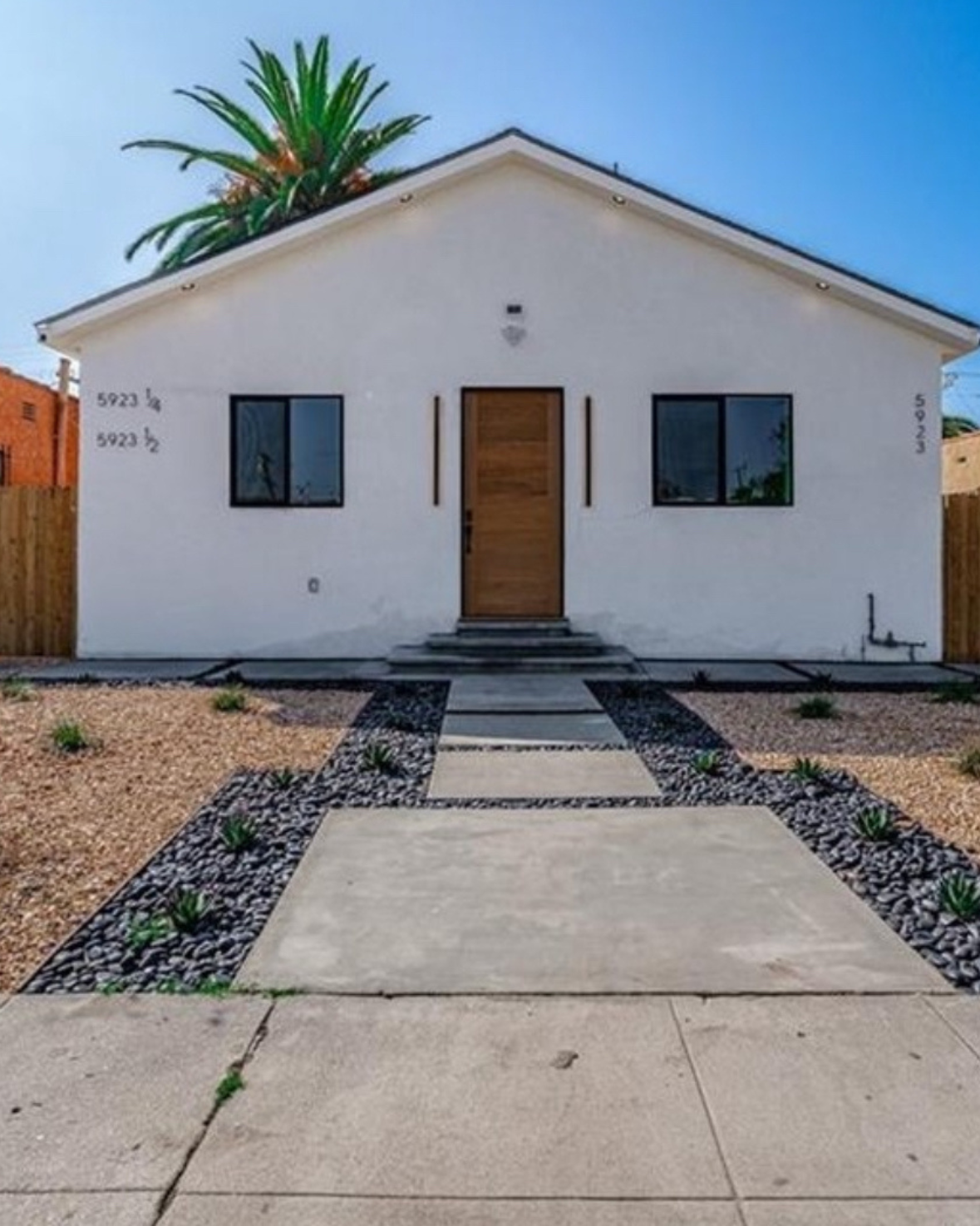
Architects and designers also consider how the ADU will complement the architectural style of the main home. This helps ensure the property maintains a cohesive and attractive appearance.
High-quality materials and modern finishes can make an ADU feel spacious and welcoming even with limited square footage.
ADU Construction Process
The construction process for an ADU involves several stages, each carefully managed by experienced builders.
The project begins with site evaluation and planning. Contractors examine the property to determine the best location for the new structure while considering zoning regulations and building requirements.
Next, architectural plans are created and permits are obtained. Once approvals are secured, construction begins.
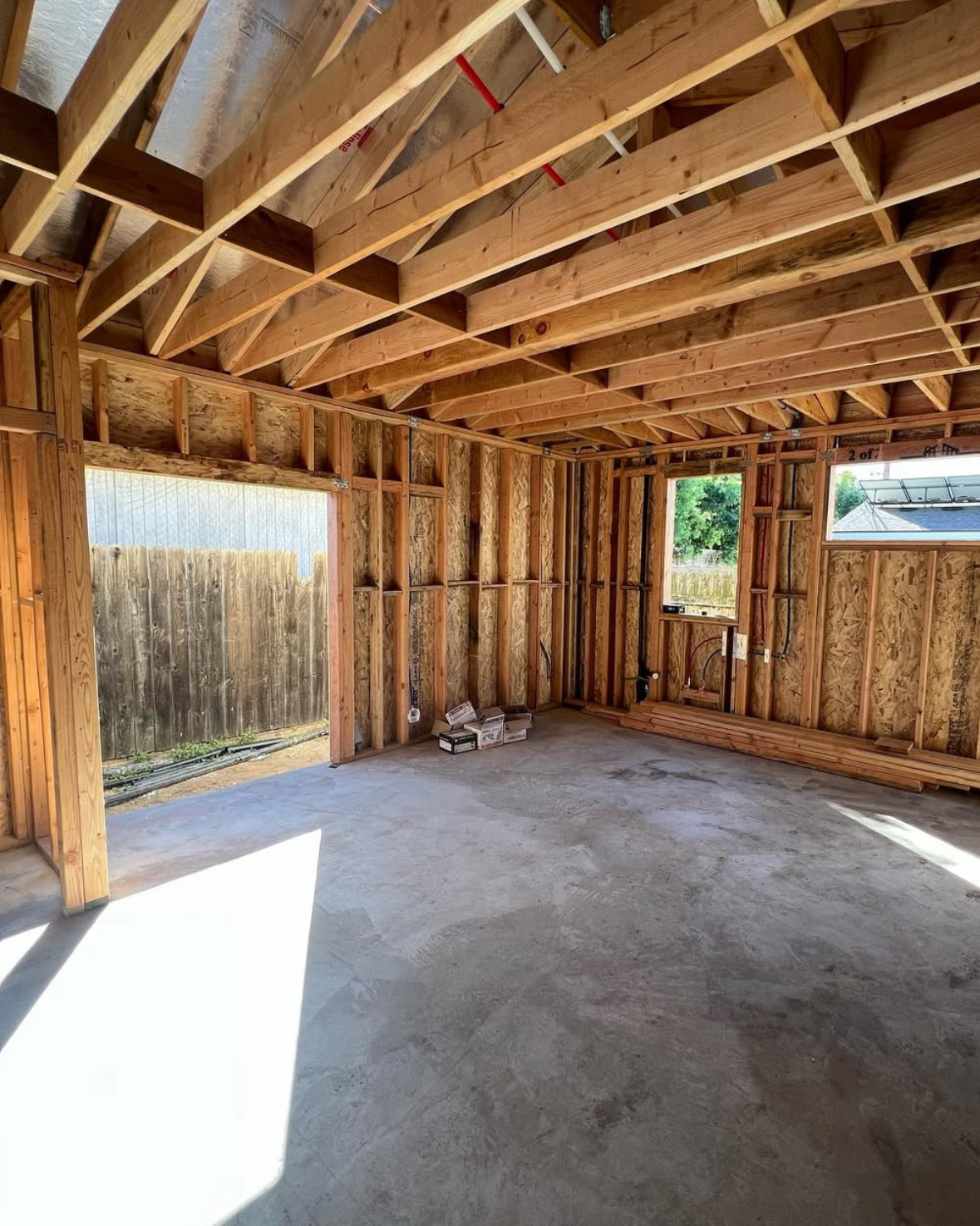
The first step in construction is preparing the site and building the foundation. After the foundation is completed, the structural framework of the unit is constructed.
Essential systems such as plumbing, electrical wiring, and heating or cooling are then installed. Insulation and drywall are added to improve comfort and energy efficiency.
The final stages involve installing flooring, cabinetry, fixtures, and interior finishes.
Professional builders coordinate inspections throughout the project to ensure all work meets local building codes.
Energy Efficient ADU Construction
Energy efficiency is an important feature of modern ADU construction. Many homeowners in Los Angeles prefer sustainable building practices that reduce energy consumption and lower long-term utility costs.
Energy-efficient windows and insulation help regulate indoor temperatures. Modern appliances and LED lighting systems reduce electricity usage.
Some ADUs are designed with solar energy systems that provide renewable power to the unit.
These environmentally responsible features help create comfortable living spaces while supporting sustainability.
ADUs as Long-Term Investments
Building an ADU is often considered a smart investment for property owners. Accessory dwelling units increase the usable space on a property while creating opportunities for rental income.
Because ADUs are smaller than traditional homes, they are often more affordable for renters while still offering privacy and independence.
Properties with ADUs may also attract more buyers in the real estate market because they offer flexible housing options.
For many homeowners, ADU construction provides both financial benefits and improved property functionality.